%201.png)

We challenge norms, push boundaries and redefinepossibilities. Join us to facilitate a pain free, activelifestyle and achieve peak performance.


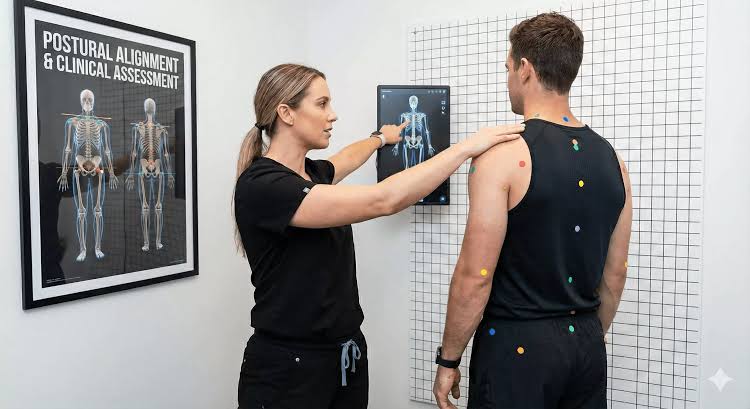
So your intake process includes a KONGIQ movement screen, and you're wondering what this specific assessment actually involves and why it matters more than simply having a trainer watch you squat and jump a few times before jumping straight into a program.
Maybe you've filled out an intake form, described your goals and your history of pain or injury, and expected to walk straight into a workout, only to be handed a structured movement assessment instead. It's a reasonable question to ask why this step exists before any actual training begins, and what specifically this screen is looking for that a coach's general observation supposedly wouldn't catch on its own.
Understanding what a genuine movement screen reveals, and why it fundamentally shapes everything that follows, helps you see this step as the foundation it's meant to be rather than an unnecessary delay before your real program starts.
Why a Genuine Movement Screen Comes Before Programming, Not After
Starting a training or rehab program without first understanding how your body actually moves, where restrictions exist, where compensations have developed, and which movement patterns are genuinely limiting you, means building a program on assumptions rather than actual assessed data, a risk that increases the chance of reinforcing existing dysfunction rather than correcting it.
What a Comprehensive Movement Screen Actually Evaluates
A thorough movement screen assesses fundamental movement patterns, squatting, hinging, pushing, pulling, rotating, and single-leg stability, looking specifically for asymmetries, compensations, and restrictions that reveal where your body has developed workarounds rather than genuine mobility and control.
Why Compensation Patterns Develop in the First Place
When a joint or muscle group lacks adequate mobility or strength to perform a movement correctly, your body naturally finds an alternative way to accomplish the task, borrowing movement from an adjacent joint or muscle group, and while this compensation allows the movement to happen, it often creates the exact overload pattern that eventually leads to pain or injury in that compensating area.
How This Screen Identifies the Root Cause, Not Just the Symptom
If you're experiencing knee pain, for example, a genuine movement screen often reveals that the actual root cause traces back to hip or ankle restriction forcing the knee to compensate during functional movements, meaning addressing only the knee itself would miss the actual driver of the problem.
Why This Matters for Athletes Without Current Pain
Even athletes without any current pain or injury benefit from movement screening, since identifying and correcting a developing compensation pattern before it progresses to genuine pain or injury represents a proactive opportunity that reactive, pain-driven assessment simply doesn't provide.
How Screen Results Shape Your Actual Program
Rather than assigning a generic program template, movement screen results directly inform which specific mobility work, stability exercises, and movement pattern corrections need to be prioritized in your program, ensuring your training time addresses your actual identified limitations rather than generic assumptions about what "most people" need.
Why Reassessment Matters Throughout Your Program
Periodic reassessment using the same movement screen protocol reveals whether your program is genuinely resolving the compensations and restrictions identified initially, providing objective evidence of progress rather than relying purely on subjective feeling of improvement.
Why This Approach Differs From Standard Gym Intake
Many standard gym intake processes involve minimal movement assessment beyond basic goal-setting conversation, meaning a program built without this foundational movement data risks applying generic programming that doesn't account for your body's actual specific movement limitations and compensation patterns.
Who Benefits Most From Thorough Movement Screening
Anyone dealing with recurring pain that doesn't seem to fully resolve, athletes wanting to train more intelligently rather than simply harder, and individuals returning to activity after time away from consistent training all benefit meaningfully from starting with genuine movement assessment rather than jumping directly into programming.
How This Fits Into the Guerrilla Blueprint Approach
At Guerrilla Performance & Recovery, the KONGIQ movement screen is a foundational part of how every client's program begins, ensuring your training addresses your actual assessed movement profile from day one.

We challenge norms, push boundaries and redefinepossibilities. Join us to facilitate a pain free, activelifestyle and achieve peak performance.